The Underground Internet Is Running Culture Now and Most People Have No Idea

Photo: Paul VanDerWerf from Brunswick, Maine, USA, CC BY 2.0, via Wikimedia Commons
There's a Discord server out there — you've probably never heard of it — where a few hundred people spend their days dissecting the production choices on obscure 1990s R&B records. They argue about reverb tails. They share stems from albums most people have never listened to. They post their own beats built from techniques they reverse-engineered from those old records. Most of them will never be famous. Some of them will quietly shape the sound of something that goes platinum in eighteen months.
This is how culture actually moves now. Not down from the mountain. Up from the basement.
The Platform Paradox
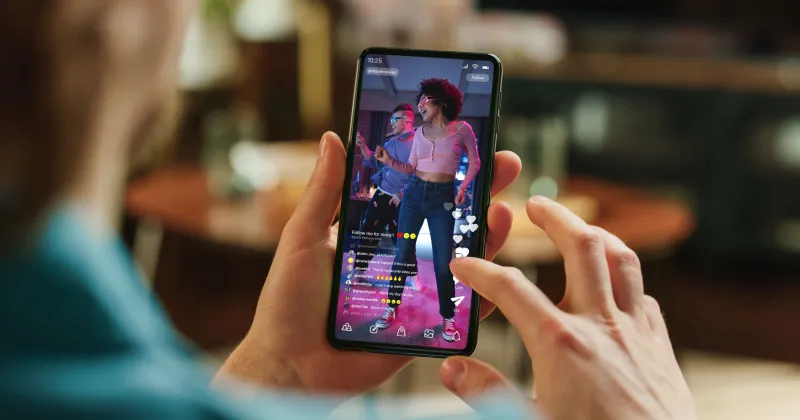
Here's the thing about TikTok, Instagram, and YouTube: they're incredible at distribution and terrible at origination. The algorithm is a megaphone, not a microphone. It amplifies what already has traction. It rewards patterns it recognizes. It is, structurally, a follower.
The actual generation of new cultural material — new sounds, new aesthetics, new vocabulary, new frames for understanding the world — happens upstream of the algorithm, in spaces small enough that nobody's optimizing for reach. When a community is too small to monetize, it's free to be genuinely weird. That weirdness is where novelty comes from.
Niche Discord servers, obscure subreddits, private Telegram channels, and invite-only forums have become the R&D labs of American pop culture. The finished products show up on your For You page. The prototypes were stress-tested somewhere you've never been.
A Few Communities Worth Understanding
The music production corners of Discord are some of the most generative spaces on the internet right now. Servers organized around specific DAWs, regional sounds, or single-genre obsessions function as informal apprenticeship networks. Producers share unfinished tracks, get granular feedback, argue about theory, and develop aesthetic sensibilities that eventually leak into the wider world through the music they make. The hyperpop moment of the early 2020s, for instance, didn't emerge from a label. It came out of communities of bedroom producers pushing software to its limits and sharing results with each other.
Absurdist meme ecosystems operate on a completely different logic but serve a similar function. Subreddits like r/surrealmemes or various invite-only Discord servers that specialize in post-ironic humor have developed visual and linguistic vocabularies that feel incomprehensible from the outside and inevitable from the inside. The jokes that eventually make it to mainstream platforms are usually stripped of context and flattened — but the underlying sensibility, the specific angle of the absurdity, traces back to a few hundred people who were just entertaining each other.
Fashion has its own underground infrastructure. Subreddits dedicated to extremely specific aesthetics — think hyperspecific subgenres of streetwear or obscure workwear brands — have functioning taste economies that predate and often predict what shows up in mainstream fashion coverage. When a particular type of Japanese work jacket or a specific silhouette starts appearing in GQ trend reports, it's usually been circulating in niche communities for a year or more.
Why Small Works
The counterintuitive thing about these spaces is that their cultural power comes directly from their smallness. When a community has two hundred members instead of two million, a few things happen that are impossible at scale.
First, there's accountability. You're talking to people who will remember what you said last month. Posturing is expensive. Genuine engagement is rewarded. The result is a higher signal-to-noise ratio than you'll find on any mainstream platform.
Second, there's friction. Getting into some of these communities requires knowing someone, demonstrating knowledge, or passing some kind of informal vetting. That friction filters out casual participants and creates spaces where the people who are really into the thing are actually in the room. Genuine enthusiasm is contagious in a way that algorithmic engagement never quite is.
Third, there's no performance pressure. When you're not chasing followers or optimizing for the algorithm, you can just make the thing you actually want to make. That freedom is where genuine novelty lives.
The Pipeline Nobody Talks About
Culture's movement from niche to mainstream used to take years and involve physical geography — sounds moving from regional scenes to coastal cities to national media. Now the pipeline is faster, weirder, and almost entirely invisible to the people it's moving through.
Something gets workshopped in a small Discord. A few members post about it on Twitter or Reddit. A creator with a modest following picks it up. A bigger creator borrows from that. The algorithm catches the pattern and amplifies it. Six months later it's a TikTok sound with forty million uses and nobody remembers where it started.
The niche community that originated it usually has complicated feelings about this. Sometimes pride. Often frustration at the flattening. Occasionally a kind of protective satisfaction that the mainstream version is just a pale copy of the real thing they still have.
What This Means for Anyone Paying Attention
If you're trying to understand where culture is actually going — not where it is, but where it's heading — you have to develop a taste for edges. The mainstream internet is a lagging indicator. It shows you what was interesting eighteen months ago, packaged for mass consumption.
The leading indicators are in the places that feel too small to matter. The Discord with three hundred members and no server boosts. The subreddit with a strict posting culture and a steep learning curve. The forum that hasn't updated its interface since 2009 and doesn't care.
RevedGo exists somewhere in that in-between space — the gap between the underground and the surface, where signals from the edge of digital culture are still legible before they get translated into content. That gap is getting smaller every year as the pipeline accelerates. But it hasn't closed yet.
Which means there's still time to find the weird little rooms where the next thing is already happening.