Sold Back to You: The Machine That Turns Subculture Into a SKU
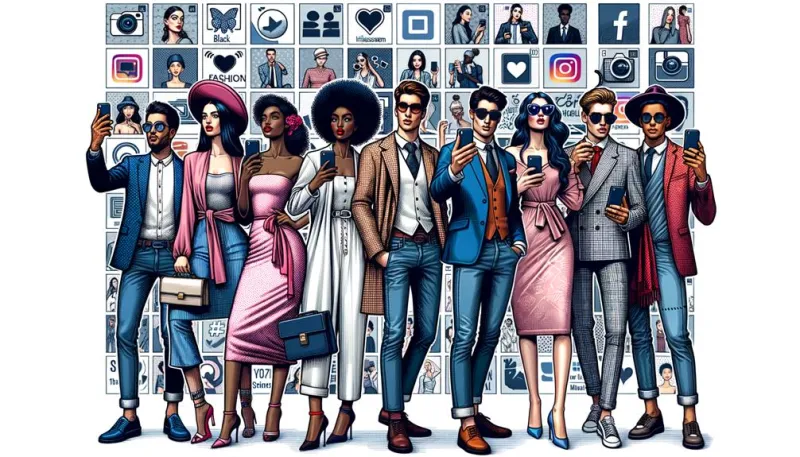
Photo: niche aesthetic fashion trend social media collage Gen Z, via texasbeautysupplies.com
Somewhere between the first person pinning pressed flowers to their mood board and the moment H&M dropped a "cottagecore capsule collection," something died. It wasn't loud. There was no announcement. The aesthetic just... became a product. And once it's a product, it kind of stops being anything else.
This is the loop that Gen Z creators and online community builders have been watching in real time — and increasingly, they're pissed about it.
The Lag Is Getting Shorter
There used to be a runway. Punk took decades to get domesticated. Grunge had a few years of actual edge before it was a Halloween costume at Party City. But the internet compressed all of that. Now the lag between a subculture being born in some obscure corner of Tumblr or TikTok and getting repackaged by a Fortune 500 brand can be measured in months. Sometimes weeks.
Cottagecore — that soft, pastoral, linen-and-mushrooms visual language — started as a genuine reaction. It was queer-coded, climate-anxious, anti-hustle. It lived in tiny online pockets where people were genuinely imagining an exit from late capitalism. By 2021, Anthropologie had a cottagecore line. By 2022, Amazon was selling "cottagecore bedroom decor bundles" for $34.99.
Dark academia followed the same arc. What began as a deeply specific subculture — think candlelit libraries, moral ambiguity, dead poets, and a certain melancholy that felt almost European — got flattened into plaid blazers and aesthetic study videos optimized for watch time.
"The brands don't buy the aesthetic," says one digital creator who built a following around alt-fashion content before watching the community fragment. "They buy the signal. The thing that made people feel seen. And then they sell it back without any of the context that made it matter."
The Anatomy of a Takeover
It doesn't happen by accident. There's an infrastructure behind it.
Trend forecasting agencies — companies most people have never heard of — monitor online spaces constantly. They're scraping Pinterest boards, watching TikTok comment sections, tracking hashtag velocity, and identifying the exact moment a visual language crosses from niche to nascent mainstream. That data gets sold to retail buyers, brand marketing teams, and product designers who then execute fast.
Fast fashion's supply chains are built for this. A mid-size brand can go from "we identified this trend" to "this is live on our website" in under eight weeks. By the time the original community notices their thing has been commodified, there are already 400 SKUs on the market.
Slang moves even faster. Words that started in Black Twitter, LGBTQ+ spaces, or neurodivergent communities online get absorbed into brand copy, ad scripts, and influencer briefs with almost zero acknowledgment of origin. "Slay." "No cap." "It's giving." Each one has a lineage. Most brand accounts don't care.
What Creators Actually Lose
The frustrating part isn't just cultural. It's economic.
The people who built these aesthetics — who spent years developing a visual language, growing a community, creating the thing that eventually made it onto a mood board in some brand's marketing department — rarely see a dollar from the appropriation. The value gets extracted, not shared.
"I built an audience around a very specific kind of content," explains another creator, who asked to remain anonymous because they still work with brands. "And then I watched brands enter the space with ten times my budget, water down everything that made it interesting, and push me out of the algorithm because suddenly I was competing with sponsored content in my own lane."
This is the part that doesn't get talked about enough. Commodification doesn't just dilute culture — it restructures the competitive landscape in ways that actively harm the originators.
Can Authenticity Survive Being Marketable?
Here's the uncomfortable question: maybe it can't. Or maybe that's the wrong frame.
Some communities have gotten smarter about this. They've started building in layers — keeping certain things deliberately opaque, using in-jokes and references that don't photograph well, or migrating the real conversation to spaces that aren't indexed. There's a reason some of the most interesting digital subcultures right now exist in invite-only Discord servers, closed subreddits, or platforms that actively resist virality.
Others have leaned into the commodification cycle as a game. They surface aesthetics knowing they'll get mined, they profit from early-adopter positioning, and they've already moved on by the time Target shows up.
But there's a third group — and honestly, it might be the most interesting one — that's started treating corporate appropriation as a form of creative destruction. Once an aesthetic gets sold at scale, it's effectively dead as a subculture signal. Which creates the vacuum for something new. The cycle itself becomes generative.
"Every time they take something from us, we make something they can't figure out yet," one creator put it. "We're always three aesthetics ahead."
The Signal Underneath the Style
What gets lost in the aesthetic-to-product pipeline isn't just visual. It's the reason the aesthetic existed in the first place.
Cottagecore wasn't really about linen dresses. It was about exhaustion. Dark academia wasn't about tweed — it was about wanting intellectual life to feel meaningful again. Alt aesthetics aren't random — they're coded refusals of mainstream beauty standards.
When brands strip out the context and sell the surface, they're not just being lazy. They're actively erasing the critique embedded in the original thing. A subculture that started as a rejection of consumerism becomes a consumer product. The signal gets inverted.
That's the real transaction. Not aesthetic for dollars. Dissent for merch.
And somehow, people keep buying it — which is maybe the most interesting data point of all.