The Reply Is the Script: How Comment Sections Started Finishing the Story
Creators are leaving deliberate gaps in their posts, and the comment section is filling them in. In 2026, the top reply is not a reaction to the story. It is the story.
Category
23 articles
Creators are leaving deliberate gaps in their posts, and the comment section is filling them in. In 2026, the top reply is not a reaction to the story. It is the story.

A growing number of digital creators are deliberately scattering their most compelling work across obscure corners of the internet, making discovery feel like earning something. It's not laziness or poor strategy — it's a calculated move that's building some of the most loyal followings online right now. The algorithm isn't invited.

Going viral used to be the whole point. Now a growing number of creators are treating it like a warning sign. Inside the quiet economic shift that's moving digital success out of the spotlight and into private channels where nobody's watching the numbers.
By the time something hits your For You page, it's already old news in rooms you don't have access to. There's a hidden delay built into how culture travels from the underground to the mainstream — and the people who understand it are quietly running everything.
Some of the most raw, unguarded moments you've seen from your favorite creators were never accidents. A quiet but growing practice has artists and musicians deliberately seeding fake behind-the-scenes content into the wild — not to deceive fans exactly, but to get ahead of a story before someone else tells it. Welcome to the reverse leak.
A new wave of digital creators isn't pretending to be real — they're making the artificiality the whole point. Call it synthetic authenticity, call it post-genuine, call it whatever you want: it's quietly becoming the most transgressive move you can make online right now.
Being genuinely strange online used to be an accident. Now it's a career move. We dug into the growing industry of calculated weirdness and found something even stranger underneath — a performance so polished it's looped back around to feeling real.
Deactivated profiles, wiped Discord servers, and cancelled creators don't just disappear — they linger in screenshots, tribute accounts, and collective digital memory. The internet has a graveyard, and it's surprisingly crowded with things that still move.
Viral aesthetics are living and dying faster than anyone can document them. We went deep into the Discord servers, private TikTok groups, and algorithmic back-channels where trends are born, peak, and vanish — sometimes within a single afternoon.
The second something feels fresh online, someone screenshots it, dates it, and files it away like evidence. This obsessive need to timestamp every aesthetic trend the moment it surfaces isn't just documentation — it's a quiet form of destruction. Here's why the clock is the most dangerous thing in digital culture right now.

Somewhere between the boardroom and the content calendar, a major brand decided that looking busted was better than looking polished. The glitch aesthetic has gone corporate, and the weird part is — it's working. But at what cost to the concept of authenticity itself?

A growing wave of micro-influencers isn't waiting for trends to happen — they're writing the script first and cashing in before anyone notices. It's part trend-forecasting, part fiction, and entirely deliberate. Welcome to the attention arbitrage economy.

That aesthetic you just discovered? It's already a punchline in one corner of the internet, a sacred relic in another, and somehow still trending on a third platform entirely. Welcome to multi-speed culture death — where nothing truly dies, it just relocates.

Somewhere between a private finsta and a Bluesky thread with 40 followers, a new look is being born — and fashion is already too late to copy it. The aesthetic arms race happening inside fragmented online spaces is moving faster than any trend forecaster's spreadsheet can track.
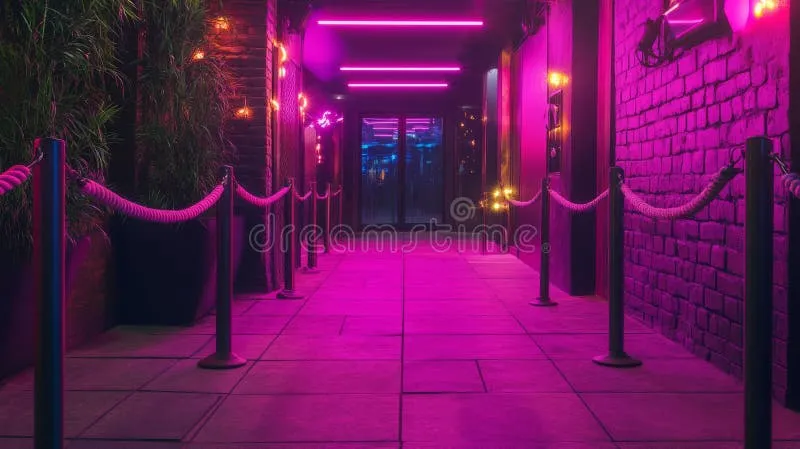
Somewhere between a 47-member Discord server and a Reddit thread you'll never find, a handful of people quietly decided what's worth your attention. They didn't ask. They didn't have to. Welcome to the taste cartel.
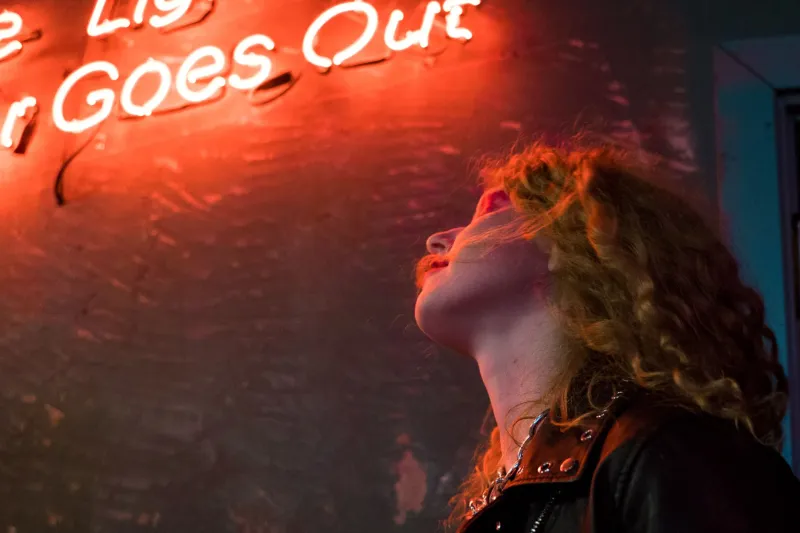
Before a trend ever touches your feed, it's already been stress-tested, debated, and greenlit somewhere you weren't invited. Private Discords and gated Telegram channels have quietly become the real power brokers of digital culture — and the public internet is just where they announce the verdict.

A new breed of content creator has figured out that going viral is actually the worst thing that can happen to them. By engineering their own obscurity, they're building something the algorithm can't touch — real loyalty from audiences who feel like they found a secret.
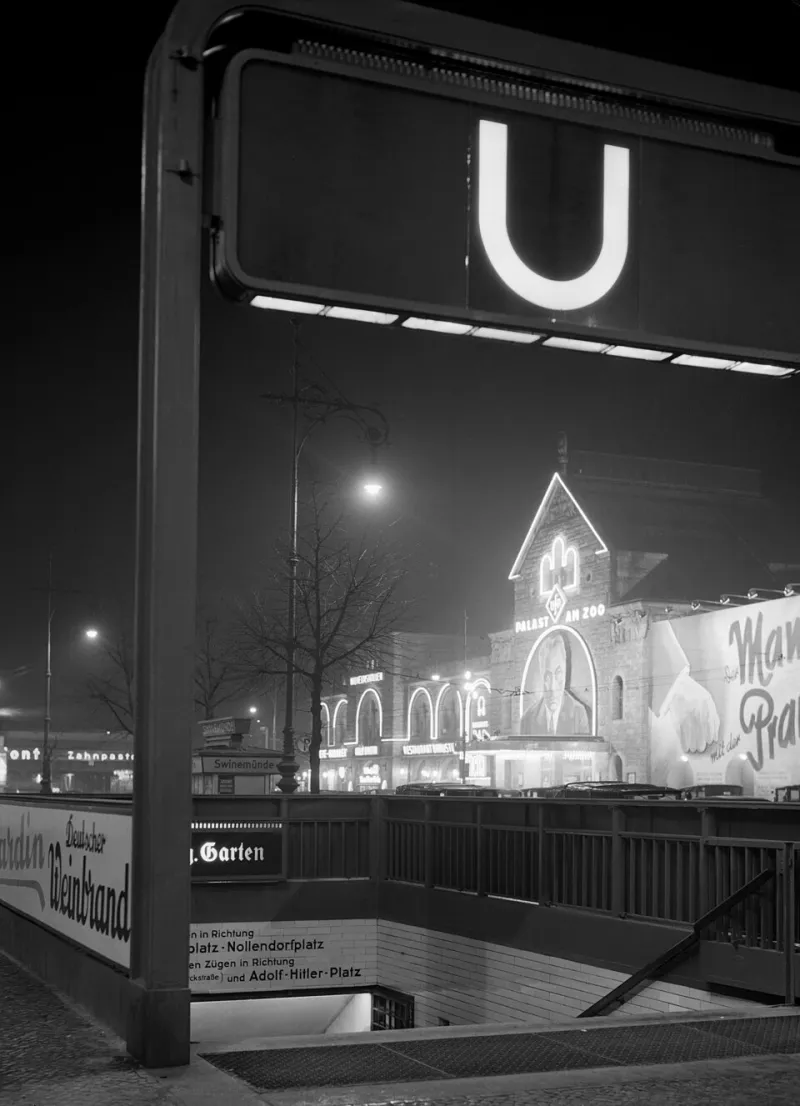
Somewhere in a Discord server with 300 members, the next big entertainment trend is already happening. The weird part? The people inside it have no idea they're being watched. Here's how fragmented online spaces became the industry's most valuable — and most exploited — research labs.
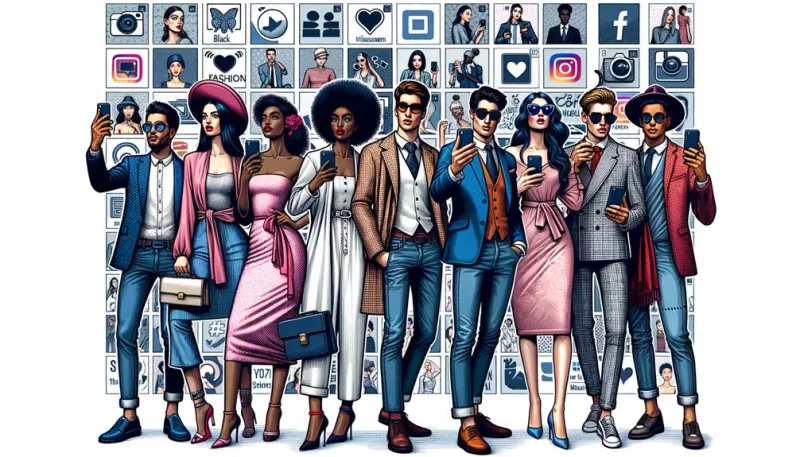
Every aesthetic that ever felt like yours eventually ends up on a Target endcap. This is the story of how niche online visual languages get strip-mined by brands — and what gets lost in the translation.
The visuals you're obsessing over on Instagram right now? They were probably workshopped in a Discord server you've never heard of, months before any algorithm touched them. Inside the invite-only rooms where tomorrow's taste gets made — and why most people never see the origin story.

Before a meme format hits Twitter, before an underground artist blows up on Spotify, before a gaming strategy becomes common knowledge — there's usually a Discord server where it started. These invite-only digital rooms have quietly become the most culturally productive spaces on the internet, and most people have never heard of them.

Before a sound blows up on TikTok, before a meme saturates your group chat, before a fashion micro-trend gets a think piece in Vogue — it lives somewhere small and weird and completely unbothered by mainstream attention. Discord servers, private subreddits, and hyperspecific forums have quietly become the real engines of American cultural taste.
Forget the highlight reel. The most honest corners of the internet are the ones where nobody knows your name. We went deep into the pseudonymous forums, Discord servers, and image boards where identity gets stripped down — and found something surprisingly real.